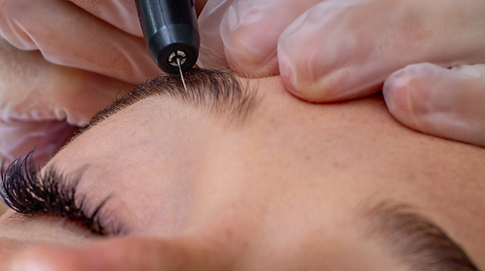
Choosing an electrolysis training course

Thinking of learning electrolysis?

High quality training and education is fundamental to a proficient electrolysist.

Training

An electrolysist needs good communication skills, patience and the ability to empathise with clients who often are embarrassed and sometimes affected psychologically by their excess hair growth.

Most commonly electrolysists will opt for the Beauty route in order to study. However, there are also courses specifically for electrolysis that do not include other beauty skills.

Finding a suitable course

Electrolysis courses tend not to be taught in every FE college, so you may need to travel or go to a private college in order to gain a qualification.

Ensure the course you are taking results in a certificate that allows you to treat the public (ask if you can get insurance once you’ve passed the course). There are two types of these courses, privately accredited and nationally accredited. Privately accredited courses (Beautyguild, BABTAC, FHT) restrict the number of insurers you can choose, nationally accredited (ITEC, CIBTAC, CIDESCO, City & Guilds and VTCT who do NVQs) are accepted by any insurer. NB Some courses can result in several different qualifications, even though you’re only taking one exam. They require an extra fee for each extra qualification.

Check whether you’ll need to have your own electrolysis machine (epilator) for the course. NB some courses will include an epilator in the cost. A new epilator costs around £750 but you can find second hand ones, and also places like Ellisons.co.uk offer leasing, which is a low cost way to pay for it. Please note you must avoid thermolysis only or galvanic only epilators. They are cheaper but they only allow you to do one type of electrolysis. You need a 3-in-1 machine, also called a blend machine.

Ask whether the course needs a minimum number of students. Sometimes a course will be postponed if there aren’t enough people signed up, which is no good if you have a busy schedule.

Those are the main points to look out for. All courses have three main components; theory, practical and assessments. You’ll find a big difference in how the theory and practical is delivered. Some courses will have classes for everything, others will give you work to do at home and sometimes even some practical work before calling you in for the assessments. That is why the prices vary SO much.

To find your nearest course you will need to search the directories of the private and national accreditation bodies listed above. We do not hold any lists of courses ourselves nor can we recommend any course in particular. We have our own entrance exam to ensure all members have reached the right standard.

What Should a Course Include?

When choosing a course ensure that it includes both theory and a wide variety of practical content.  Every course should include:
• Anatomy and Physiology
• Types & structure of the hair
• Skin, blood and lymphatic circulation
• Reproductive and endocrine system
• Theory of Electric Currents
• Consultations & Record Cards
• Contra-indications & contra-actions
• Aftercare advice
• Choice of needles / probes
• Accurate probing techniques
• Legislation, Hygiene and Sterilisation

Every learner is different, but on average most will take 100 hours of practical work to become a fully competent electrolysist and more experience is likely to develop accuracy with speed.